Asuntos Tradicionalistas
 |
 |
 |
 |
 |
 |
 |
Misa Dialogada - CLVI
Verdadera versus falsa reforma litúrgica
El Movimiento Litúrgico no derivó de los principios de Dom Prosper Guéranger. Sus principios diferían marcadamente de los reformadores litúrgicos del siglo XX en tres puntos clave:
“Las traducciones de la Misa y del Oficio a la lengua vernácula son de tal naturaleza que producen este inconveniente: aislar a los fieles de la oración pública, bajo el pretexto de asociarlos a ella de manera más íntima.” 2
Que Dom Guéranger tuviera razón o no en este punto concreto no es la cuestión aquí; pero los fundamentos en los que basaba su opinión eran indiscutiblemente verdaderos: que una versión vernácula de los sublimes misterios celebrados en la liturgia no es esencial para permitir a los fieles participar espiritualmente en el culto público de la Iglesia. Amar la fe de la Iglesia es el requisito indispensable.
 A este respecto, citó una carta escrita por Mons. Parisis, Obispo de Langres, en 1846, sobre la participación de los fieles:
“Lo mejor que podrían hacer los fieles, mientras el sacerdote canta, sería adherirse interiormente a sus palabras, aun sin comprenderlas; pedir lo que él pide, aun sin saberlo; esto es todo lo que hicieron los primeros cristianos, primero durante todos los siglos en que la liturgia se transmitía solo por tradición oral, y luego durante años después. Esta es la razón por la cual, a las oraciones misteriosas recitadas en silencio por el sacerdote, respondían: Amén, ¡así sea!, un acto de fe sublime en su simplicidad.
“Como si hubieran dicho: ‘No sabemos qué es lo más deseable para nosotros, pero Dios lo sabe; no sabemos qué glorifica mejor al Señor, pero la Iglesia lo sabe; ahora bien, es la Iglesia la que ha hablado, pues es en su nombre y como su representante especial que ha hablado el sacerdote; es la Iglesia la que ha puesto en sus labios las oraciones recién dichas; nos adherimos a ellas, sean las que sean, porque no podemos pedir nada mejor que lo que la Iglesia pide, no podemos decir nada mejor que lo que la Iglesia dice: ¡Así sea, así sea! ¡Amén! ¡Amén!” 3
Este principio fundamental del culto católico ya no es comprendido por la mayoría de los católicos hoy en día.
Solución pastoral
A diferencia de los reformadores posteriores, Dom Guéranger no consideraba el uso de la lengua vernácula como un medio indispensable de comprensión; ni veía el latín como un obstáculo para la participación de quienes no entendían el idioma. En su tiempo, las traducciones literales de los textos litúrgicos no estaban permitidas ni se consideraban necesarias. Existían otras alternativas para transmitir el significado de la liturgia a los fieles, incluida su propia iniciativa pastoral:
“Para conformarnos con los deseos de la Santa Sede, no damos, en ninguno de los volúmenes de nuestro Año Litúrgico, la traducción literal del Ordinario y del Canon de la Misa; y hemos procurado, en su lugar, ofrecer a aquellos laicos que no entienden latín los medios para unirse, de la manera más estrecha posible, con todo lo que el sacerdote dice y hace en el altar.” 4
Verdadera versus falsa renovación
En resumen, Dom Guéranger emprendió una verdadera renovación. Él edificó, mientras que los neo-modernistas demolieron. Denunció el protestantismo (“las sectas”) como una falsa religión, mientras que los progresistas trabajaron hacia la asimilación con ellas. Facilitó la proclamación del dogma de la Inmaculada Concepción y el decreto sobre la supremacía papal, mientras que algunos de los reformadores influyentes del Vaticano II promovieron el “minimalismo” mariano y la colegialidad. Promovió una estricta adhesión a las rúbricas oficiales, pero los reformadores progresistas deshicieron su obra fomentando la laxitud rubrical, la inculturación y la diversidad.
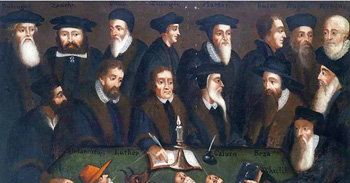 Como veremos en las páginas siguientes, la historia del Movimiento Litúrgico desde comienzos del siglo XX hasta la víspera del Vaticano II demuestra que los reformadores progresistas siguieron una agenda propia que tenía poco, o nada, en común con el pensamiento y la obra de Dom Guéranger. Incluso su insistencia en el requisito indispensable del Canto Gregoriano – que fue el orgullo y la alegría de su obra fundacional en Solesmes – encontró poco eco entre los reformadores neo-modernistas, salvo algunos de la primera mitad del siglo XX que apenas le rindieron un homenaje verbal mientras conspiraban para su desaparición.
La aprobación de Pablo VI citada en un artículo anterior cuando iniciamos este análisis no solo supone una tensión para nuestra capacidad de razonamiento, sino una traición a nuestro patrimonio heredado. Pues fue el triunfo del Movimiento Litúrgico, posibilitado por Pablo VI, en el que la Tradición fue sacrificada en nombre de la modernidad, lo que provocó la autodestrucción de la vida y la piedad litúrgicas católicas, sobre la cual el mismo Papa comentó célebremente con estas palabras:
“La Iglesia se encuentra en una hora de ansiedad, un período perturbado de autocrítica, o lo que sería mejor llamar autodemolición. Es una conmoción interior, aguda y complicada.” 5
Continuará

- Como explicó en el Prefacio de su Défense des Institutions Liturgiques (1844), su objetivo era restaurar la unidad del Rito Romano en toda Francia mediante el uso de una sola lengua de culto que excluyera la Babel de las versiones vernáculas. Pero esa unidad litúrgica quedó destruida cuando el latín fue reemplazado por una multiplicidad de lenguas que daban expresión a los sentimientos del hombre moderno; 1
- Dom Guéranger restauró el Canto Gregoriano a su forma original y auténtica mediante la producción de facsímiles de manuscritos originales encontrados en bibliotecas de toda Europa. Pero toda esa labor minuciosa y meticulosa resultó en vano en lo que respecta a los reformadores posteriores, quienes complacieron los gustos modernos por una música mundana y sensual;
- Rechazó el uso de Misales bilingües en manos de los laicos ‒ una característica que ocupó un lugar destacado en las exigencias de los reformadores benedictinos posteriores, quienes produjeron grandes cantidades de ellos desde sus monasterios en Bélgica.
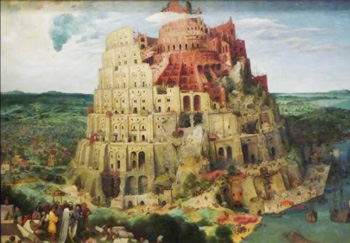
Abandonar el latín y adoptar la lengua vernácula
crea una Babel de lenguas
“Las traducciones de la Misa y del Oficio a la lengua vernácula son de tal naturaleza que producen este inconveniente: aislar a los fieles de la oración pública, bajo el pretexto de asociarlos a ella de manera más íntima.” 2
Que Dom Guéranger tuviera razón o no en este punto concreto no es la cuestión aquí; pero los fundamentos en los que basaba su opinión eran indiscutiblemente verdaderos: que una versión vernácula de los sublimes misterios celebrados en la liturgia no es esencial para permitir a los fieles participar espiritualmente en el culto público de la Iglesia. Amar la fe de la Iglesia es el requisito indispensable.
Obispo Pierre Louis Parisis
“Lo mejor que podrían hacer los fieles, mientras el sacerdote canta, sería adherirse interiormente a sus palabras, aun sin comprenderlas; pedir lo que él pide, aun sin saberlo; esto es todo lo que hicieron los primeros cristianos, primero durante todos los siglos en que la liturgia se transmitía solo por tradición oral, y luego durante años después. Esta es la razón por la cual, a las oraciones misteriosas recitadas en silencio por el sacerdote, respondían: Amén, ¡así sea!, un acto de fe sublime en su simplicidad.
“Como si hubieran dicho: ‘No sabemos qué es lo más deseable para nosotros, pero Dios lo sabe; no sabemos qué glorifica mejor al Señor, pero la Iglesia lo sabe; ahora bien, es la Iglesia la que ha hablado, pues es en su nombre y como su representante especial que ha hablado el sacerdote; es la Iglesia la que ha puesto en sus labios las oraciones recién dichas; nos adherimos a ellas, sean las que sean, porque no podemos pedir nada mejor que lo que la Iglesia pide, no podemos decir nada mejor que lo que la Iglesia dice: ¡Así sea, así sea! ¡Amén! ¡Amén!” 3
Este principio fundamental del culto católico ya no es comprendido por la mayoría de los católicos hoy en día.
Solución pastoral
A diferencia de los reformadores posteriores, Dom Guéranger no consideraba el uso de la lengua vernácula como un medio indispensable de comprensión; ni veía el latín como un obstáculo para la participación de quienes no entendían el idioma. En su tiempo, las traducciones literales de los textos litúrgicos no estaban permitidas ni se consideraban necesarias. Existían otras alternativas para transmitir el significado de la liturgia a los fieles, incluida su propia iniciativa pastoral:
“Para conformarnos con los deseos de la Santa Sede, no damos, en ninguno de los volúmenes de nuestro Año Litúrgico, la traducción literal del Ordinario y del Canon de la Misa; y hemos procurado, en su lugar, ofrecer a aquellos laicos que no entienden latín los medios para unirse, de la manera más estrecha posible, con todo lo que el sacerdote dice y hace en el altar.” 4
Verdadera versus falsa renovación
En resumen, Dom Guéranger emprendió una verdadera renovación. Él edificó, mientras que los neo-modernistas demolieron. Denunció el protestantismo (“las sectas”) como una falsa religión, mientras que los progresistas trabajaron hacia la asimilación con ellas. Facilitó la proclamación del dogma de la Inmaculada Concepción y el decreto sobre la supremacía papal, mientras que algunos de los reformadores influyentes del Vaticano II promovieron el “minimalismo” mariano y la colegialidad. Promovió una estricta adhesión a las rúbricas oficiales, pero los reformadores progresistas deshicieron su obra fomentando la laxitud rubrical, la inculturación y la diversidad.
Si los progresistas fueran coherentes, deberían adaptarse a cada una de las 51.314 sectas protestantes existentes hoy
La aprobación de Pablo VI citada en un artículo anterior cuando iniciamos este análisis no solo supone una tensión para nuestra capacidad de razonamiento, sino una traición a nuestro patrimonio heredado. Pues fue el triunfo del Movimiento Litúrgico, posibilitado por Pablo VI, en el que la Tradición fue sacrificada en nombre de la modernidad, lo que provocó la autodestrucción de la vida y la piedad litúrgicas católicas, sobre la cual el mismo Papa comentó célebremente con estas palabras:
“La Iglesia se encuentra en una hora de ansiedad, un período perturbado de autocrítica, o lo que sería mejor llamar autodemolición. Es una conmoción interior, aguda y complicada.” 5
Continuará
- Para reforzar su punto, citó Gén. 11:1: "Erat autem terra labiis unius et sermonum eorundem!" (Toda la tierra tenía una sola lengua y las mismas palabras). P. Guéranger, Défense des Institutions: Lettre à Mgr. l'Archêveque de Toulouse, Le Mans: Fleuriot, 1844, p. xiii.
- P. Guéranger, Institutions Liturgiques, París: Société Générale de Librairie Catholique, vol. 3, 1883, p. 167.
- Ibid.
- P. Guéranger, El Año Litúrgico, Vol. 1, Adviento, Dublín: James Duffy, 1870, p. 16.
- Pablo VI, Discurso al Seminario Lombardo, 7 de diciembre de 1968, en Insegnamenti di Paolo VI (Enseñanzas de Pablo VI), Roma: Tipografia Poliglotta Vaticana, 1968, vol. VI, pp. 1188-1189.
Publicado el 16 de diciembre de 2025


______________________
______________________
 Volume I |
 Volume II |
 Volume III |
 Volume IV |
 Volume V |
 Volume VI |
 Volume VII |
 Volume VIII |
 Volume IX |
 Volume X |
 Volume XI |
 Special Edition |


