Asuntos Tradicionalistas
 |
 |
 |
 |
 |
 |
 |
Misa dialogada - CLX
Personajes heterodoxos y subversivos del Sillon
Otro sacerdote francés, el P. Emmanuel Barbier, fue un formidable e incansable opositor de todas las formas de Modernismo religioso y Liberalismo a comienzos del siglo XX, como puede verse en sus prolíficas publicaciones. Era un sacerdote eminentemente bien calificado, más que capaz de desafiar las pretensiones de Marc Sangnier en el campo teológico y de exponer los errores en los que el Sillon cayó bajo su liderazgo.
En esta tarea fue apoyado, entre otros, por los obispos de Cambrai, Beauvais, Montpellier, Nancy y Quimper, quienes criticaron abiertamente al Sillon por causar división entre los fieles en sus diócesis.
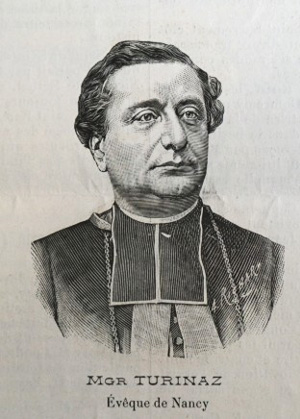
En una carta al P. Barbier, el obispo de Nancy, Mons. Charles-François Turinaz, explicó cómo sucedía esto. Cuando el Sillon entraba en una diócesis, decía, sus miembros desafiaban las órdenes de León XIII y Pío X, así como la autoridad del obispo local, e introducían división donde antes no existía, donde florecían organizaciones caritativas y reinaba la paz entre el clero y el pueblo:
 “El Sillon crea divisiones entre el clero, entre la juventud católica, entre los fieles en las ciudades y en el campo. Lo hace rechazando a todos aquellos que no están dispuestos a admirar sus ideas sobre la República y la Democracia, y tratándolos como los enemigos más peligrosos de la Iglesia. Crea división entre, por un lado, los trabajadores y, por otro, sus empleadores, a quienes desean eliminar del ámbito laboral; entre los propios trabajadores al promover los sindicatos ‘rojos’, es decir, sindicatos de la Revolución y del Internacionalismo, y al criticar a los sindicatos que mantienen una relación armoniosa con los empleadores.” 1
Es evidente que el problema de raíz es la creación de dos partidos y dos lealtades que obligan a sacerdotes y fieles a tomar partido a favor o en contra de las estructuras de autoridad de la Iglesia. San Pío X dijo célebremente que los católicos deben elegir “el Partido de Dios”, y León XIII enseñó que la cuestión social es ante todo una cuestión moral y, por tanto, religiosa, y no puede resolverse mediante medios ajenos al catolicismo.
Esto nos lleva al exhaustivo análisis histórico del P. Barbier sobre el Sillon, su naturaleza, métodos y objetivos. En su libro, Les Erreurs du Sillon (Los errores del Sillon), ofreció un útil resumen (pp. 366-368) de los muchos puntos en los que esta organización falló la prueba de la ortodoxia católica en su intento de construir la “ciudad futura” de los sueños de Marc Sangnier. Los siguientes puntos, cada uno de los cuales está meticulosamente investigado y verificado con evidencia documental, son los más relevantes y muestran las transgresiones del Sillon en materia religiosa, política y social:
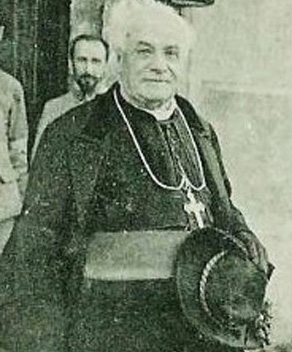 Otro testimonio de peso provino del arzobispo de Reims, el cardenal Louis Luçon, quien se opuso a los intentos de establecer un círculo sillonista en su archidiócesis.
En la edición de diciembre de 1908 del Bulletin du Diocèse de Reims, el Sillon fue descrito como un “fléau” (un flagelo) por las siguientes razones:
“En lo que respecta a la organización política y social llamada Sillon, el resultado más común de sus acciones es fácil de ver: consiste en sembrar división, apartar a los jóvenes de las obras católicas y alejarlos de la influencia del clero en los asuntos sociales.
“La influencia del Sillon es abominable, y el estado de ánimo que crea en sus seguidores es deplorable: hace que incluso los mejores entre ellos pierdan la noción exacta de la verdad y del recto juicio, así como el sentido del respeto.”
Continuará

En esta tarea fue apoyado, entre otros, por los obispos de Cambrai, Beauvais, Montpellier, Nancy y Quimper, quienes criticaron abiertamente al Sillon por causar división entre los fieles en sus diócesis.
En una carta al P. Barbier, el obispo de Nancy, Mons. Charles-François Turinaz, explicó cómo sucedía esto. Cuando el Sillon entraba en una diócesis, decía, sus miembros desafiaban las órdenes de León XIII y Pío X, así como la autoridad del obispo local, e introducían división donde antes no existía, donde florecían organizaciones caritativas y reinaba la paz entre el clero y el pueblo:
Mons. Charles-François Turinaz, obispo de Nancy, un fuerte crítico del movimiento Sillon
Es evidente que el problema de raíz es la creación de dos partidos y dos lealtades que obligan a sacerdotes y fieles a tomar partido a favor o en contra de las estructuras de autoridad de la Iglesia. San Pío X dijo célebremente que los católicos deben elegir “el Partido de Dios”, y León XIII enseñó que la cuestión social es ante todo una cuestión moral y, por tanto, religiosa, y no puede resolverse mediante medios ajenos al catolicismo.
Esto nos lleva al exhaustivo análisis histórico del P. Barbier sobre el Sillon, su naturaleza, métodos y objetivos. En su libro, Les Erreurs du Sillon (Los errores del Sillon), ofreció un útil resumen (pp. 366-368) de los muchos puntos en los que esta organización falló la prueba de la ortodoxia católica en su intento de construir la “ciudad futura” de los sueños de Marc Sangnier. Los siguientes puntos, cada uno de los cuales está meticulosamente investigado y verificado con evidencia documental, son los más relevantes y muestran las transgresiones del Sillon en materia religiosa, política y social:
- Popularizó, en Francia, la herejía del “Americanismo” 2 – condenada en 1899 por León XIII – que valoraba la acción por encima de la contemplación, eludía la autoridad docente de la Iglesia y fomentaba la confianza en la conciencia individual alegando una inspiración directa del Espíritu Santo;
- Propagó nociones falsas de dogma, especialmente las ideas evolucionistas del P. Alfred Loisy que negaban o disminuían las verdades y principios católicos para conciliar a los no creyentes y adaptar la Iglesia a los tiempos modernos;
- Pidió una reforma de los estudios eclesiásticos; denigró la autoridad de Santo Tomás de Aquino, declaró que la escolástica no tenía valor alguno, negó cualquier vínculo necesario entre filosofía y teología, y sustituyó las pruebas racionales de la existencia de Dios por sentimientos y experiencias interiores;
- Condenó públicamente la idea de una religión de Estado, aprobó la separación de la Iglesia y el Estado y respaldó con entusiasmo la Ley de Separación de 1905 del gobierno francés, que despojó a Francia de su herencia católica y causó un profundo dolor a San Pío X; 3
- Se opuso al patriotismo, 4 utilizando expresiones propias del socialismo internacional y del humanitarismo, y consideró la defensa militar de la patria como “inmoral”;
5
- Alteró el orden social al participar en actos revolucionarios contrarios a la Ley Natural y a la moral católica, sembrando división por doquier;
- Predicó una mística de socialismo humanitario, confundiendo su acción republicana democrática con la doctrina social de la Iglesia, y utilizó los Evangelios para justificar sus errores doctrinales;
- Denunció la propiedad privada como incompatible con el espíritu cristiano, y la redujo al mínimo por considerarla un obstáculo para la construcción de su proclamada “ciudad futura” basada en principios colectivistas;
- Predicó la nivelación de las clases, despertó la codicia y el resentimiento entre los trabajadores contra sus empleadores, se negó a buscar una solución en una relación armoniosa entre ellos, y quiso que los sindicatos excluyeran a los empleadores para que los trabajadores pudieran lograr su propia emancipación y eliminar a los patrones;
- Planificó una reorganización radical de la sociedad sobre una base socialista: todos los servicios públicos en manos de capitalistas debían ser expropiados por el Estado; la propiedad de las pequeñas empresas privadas y los medios de producción – en la industria, el comercio y la agricultura – debía ponerse en manos de los trabajadores;
- Este era el programa de reforma de Sangnier, que expuso en un discurso pronunciado en una conferencia del Sillon en julio de 1908, cuando fue interrogado por un representante del combativo sindicato de izquierda, la Confédération Générale du Travail, que luchaba por la propiedad social y el control obrero.
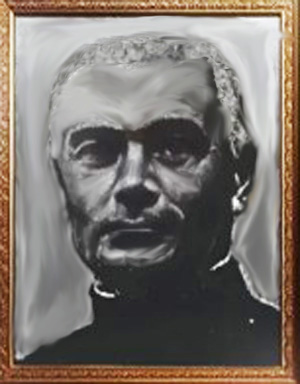
P. Emmanuel Barbier; abajo, su libro sobre los errores del Sillon

Card. Louis Luçon: ‘El Sillon es un flagelo’
En la edición de diciembre de 1908 del Bulletin du Diocèse de Reims, el Sillon fue descrito como un “fléau” (un flagelo) por las siguientes razones:
“En lo que respecta a la organización política y social llamada Sillon, el resultado más común de sus acciones es fácil de ver: consiste en sembrar división, apartar a los jóvenes de las obras católicas y alejarlos de la influencia del clero en los asuntos sociales.
“La influencia del Sillon es abominable, y el estado de ánimo que crea en sus seguidores es deplorable: hace que incluso los mejores entre ellos pierdan la noción exacta de la verdad y del recto juicio, así como el sentido del respeto.”
Continuará
- Emmanuel Barbier, Les Erreurs du Sillon: Histoire Documentaire (Los errores del Sillon: Historia documental), París: Lethielleux, 1906, p. 10.
- Antes de ser denominado y condenado por San Pío X en la encíclica Pascendi Dominici gregis, el Modernismo era conocido como Americanismo, debido a sus primeras manifestaciones en los Estados Unidos. Ambos tienen la misma inspiración y los mismos errores.
- San Pío X condenó este principio en Vehementer nos (1906): “que el Estado deba separarse de la Iglesia es una tesis absolutamente falsa, un error sumamente pernicioso.”
- Según la enseñanza católica, rechazar el patriotismo, que forma parte de la virtud de la piedad, es una violación del Cuarto Mandamiento y una falta de caridad y justicia hacia la propia patria. Dirigiéndose a republicanos y socialistas en una reunión pública, Sangnier afirmó: “Amamos a Francia apasionadamente, pero la consideramos como el terreno de uso de toda la humanidad, y somos en cierto sentido patriotas internacionalistas.” Ibid., p. 119.
- La posición de Sangnier fue refutada por Mons. Turinaz, obispo de Nancy, quien habló extensamente sobre la virtud del patriotismo y citó el ejemplo de Juana de Arco como “la encarnación del patriotismo más puro y heroico.” (Charles-François Turinaz, Discours Patriotiques (Discursos patrióticos), París: Roger & Chernoviz, 1901, p. 102.
- El discurso de Sangnier fue reportado por Mons. Théodore Delmont en Modernisme et Modernistes en Italie en Allemagne, en Angleterre et en France (Modernismo y modernistas en Italia, Alemania, Inglaterra y Francia), París: Lethielleux, 1909, p. 446.
- Ibid., p. 447.
Publicado el 13 de abril de 2026


______________________
______________________
 Volume I |
 Volume II |
 Volume III |
 Volume IV |
 Volume V |
 Volume VI |
 Volume VII |
 Volume VIII |
 Volume IX |
 Volume X |
 Volume XI |
 Special Edition |


