Asuntos Tradicionalistas
 |
 |
 |
 |
 |
 |
 |
Misa dialogada - CLXI
Apoyo Inicial del Sillon por Parte de Algunos Prelados
A comienzos del siglo XX, el Sillon atrajo diversos grados de apoyo de Obispos en distintas partes de Francia e incluso logró, en las etapas iniciales de su existencia, suscitar algunas palabras de elogio de los Papas León XIII y Pío X. Lo sabemos por una colección de documentos pontificios, cartas y discursos publicada por el P. Jean Desgranges, quien fue en un tiempo un firme partidario del Sillon, pero rompió con Marc Sangnier en 1905. 1 Una selección de estos documentos fue reproducida y analizada por el P. Emmanuel Barbier, entre los cuales observamos tres cartas que expresan tanto la aprobación tentativa de León XIII como la de Pío X al Sillon.
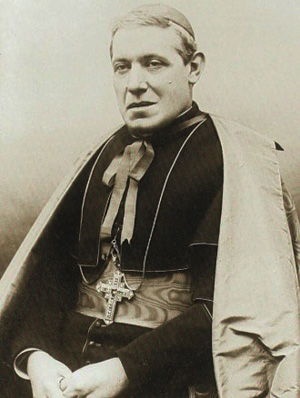 Primero, una carta de septiembre de 1902 dirigida directamente a Sangnier por el Card. Rampolla, Secretario de Estado de León XIII, afirmaba que “Su Santidad está muy complacido por el objetivo y las tendencias del Sillon” y que “otorga su bendición más cordial a los esfuerzos que los miembros de esta organización se proponen realizar para promover el verdadero espíritu católico en el corazón de la sociedad”. 2
Cabe preguntarse: ¿Cómo podía el Papa León estar “muy complacido” con una organización que publicaba, como hemos visto, un ataque frontal contra su enseñanza magisterial en Aeterni Patris, y considerar que los graves errores doctrinales del Sillon podían “promover el verdadero espíritu católico en el corazón de la sociedad”?
Claramente, hay algo extraño en el mensaje de Rampolla, ya sea porque fue una intervención cínica de su parte para participar en una campaña política altamente partidista a favor del Sillon, o porque constituye una prueba de una manipulación igualmente cínica de León XIII para obtener su favor hacia un movimiento que no se ajustaba a la política papal sobre la verdadera Democracia. Lo más probable es que el Papa no estuviera, en ese momento, en posesión de los hechos relativos a la verdadera naturaleza del Sillon. Pues esto equivaldría a apoyar un movimiento político patrocinado por la Iglesia, algo que no entraba dentro de las competencias del Papa.
Segundo, el Card. Merry del Val transmitió la aprobación de Pío X a la organización en una carta de abril de 1904 dirigida al Obispo de Périgueux, Mons. Delamaire, con ocasión de un Congreso del Sillon:
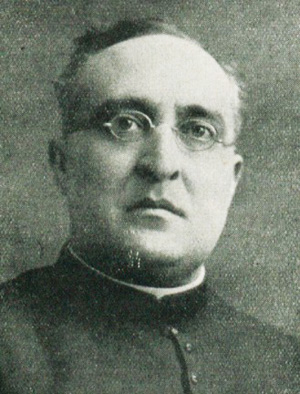 “Su Santidad se complació en alentar las sabias iniciativas del Sillon.” 3
Pero ésta fue una declaración no comprometida que evita decir si todas, algunas o, de hecho, alguna de esas iniciativas eran sabias. El Cardenal, siempre diplomático, sólo hablaba de manera especulativa (aunque imprudente) sobre las intenciones y objetivos declarados por sí mismos de los sillonistas y sobre el resultado futuro presunto de las actividades del Sillon. Existen abundantes pruebas de que Sangnier, en su correspondencia con Roma, declaraba invariablemente su apego a la Iglesia y su sumisión a la Jerarquía.
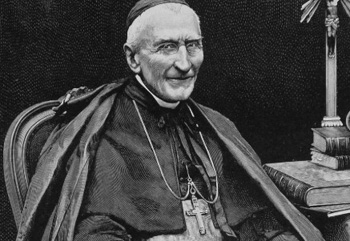
Tercero, una carta procedente de Roma, escrita en nombre del Papa, fue dirigida al Cardenal Arzobispo de París, François-Marie Richard, en febrero de 1905, anticipando un Congreso del Sillon que tendría lugar en esa ciudad. 4 En ella se instaba al Card. Richard a dar buen ejemplo a todos los Obispos franceses asegurando el debido respeto y la obediencia filial de los miembros del Sillon a su autoridad. La carta también contenía cierta alabanza hacia los numerosos jóvenes católicos seguidores del Sillon comprometidos en buenas obras para el bienestar del pueblo. Pero también era una advertencia dirigida a sus dirigentes, a quienes se exhortaba a declarar abiertamente en el próximo Congreso su ortodoxia en cuestiones doctrinales y su unidad, bajo la autoridad eclesiástica, con otras organizaciones sociales aprobadas por los Obispos. 5
 Sin embargo, eso era algo que Sangnier siempre se había negado a hacer. Con la asombrosa audacia que había llegado a asociarse con su nombre, dijo a sus seguidores que no se dejaran intimidar por la advertencia, sino que continuaran su lucha por la Democracia, “bendecida y alentada por la Iglesia universal”. 6 Es evidente que había tergiversado las palabras de elogio del Papa, omitiendo mencionar que estaban condicionadas a la disposición del Sillon de colocarse bajo la guía del Episcopado francés. En otras palabras, habló como si la aprobación de todos los Obispos ya se hubiera obtenido antes de que cualquiera de las condiciones del Papa hubiera sido puesta en práctica.
Para poner la situación en perspectiva, un periodista francés, Albert Monniot, realizó una encuesta entre el Episcopado entre octubre y noviembre de 1909 para conocer la opinión de los Obispos sobre el Sillon. Los resultados fueron en su mayoría negativos. 7 De los Prelados que respondieron, 49 (incluidos 11 Arzobispos/Cardenales) prohibieron a sus sacerdotes participar en el Sillon, o emitieron advertencias contra él, o formularon una censura formal. 8
Sólo unos pocos Obispos, partidarios de larga data del Sillon, acudieron en su defensa, entre los cuales se encontraban algunos que aceptaron personalmente la Ley de Separación de 1905, o que habían sido condenados por Modernismo o que ya habían abandonado la Iglesia. 9
Supresión del Sillon
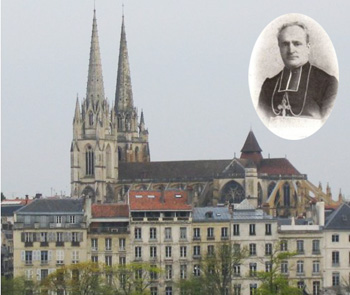
Hay pruebas de que, para 1907, Pío X comenzaba a expresar francamente opiniones negativas respecto al Sillon. Mons. François Gieure, Obispo de Bayona, a su regreso de una audiencia con Pío X, publicó en el boletín de su diócesis una carta dirigida a uno de sus clérigos que contenía un informe de la conversación que había mantenido con el Papa sobre el tema del Sillon. Afortunadamente, tenemos acceso al contenido de esa carta, pues el documento en cuestión fue puesto a disposición del público por el P. Barbier. El Obispo transmitió la parte pertinente del mensaje del Papa palabra por palabra, de la siguiente manera:
 “Tengo recelos respecto al Sillon. Algunos Obispos franceses me han escrito para preguntarme qué pienso de él. He leído los discursos de Marc Sangnier; también he leído algunos de sus artículos. Tengo graves preocupaciones sobre toda esta idea. Estos jóvenes van por una dirección equivocada: Viam sequuntur damnosam [siguen un camino que conduce a consecuencias perjudiciales]. No quiero que los sacerdotes se unan a esta ‘Asociación’; da la impresión de que se dejan guiar por los laicos, cuando ellos mismos han sido designados para guiar y dirigir.
“Además, es un movimiento puramente laico, de ninguna manera religioso. En resumen, estos jóvenes no persiguen otra cosa que un ideal político, mientras se distancian de la Jerarquía Católica. Los sacerdotes no deben tener ninguna relación con este movimiento; denles este consejo: Ne dent nomen huic associationi [No deben prestar su nombre a esa Asociación]”. 10
En agosto de 1910, Pío X emitió una condena completa y detallada del Sillon en forma de una Carta a los Obispos franceses titulada Notre Charge Apostolique. Este documento estaba compuesto en gran parte por quejas y críticas recopiladas a lo largo de los años de miembros preocupados del clero, entre las cuales podemos reconocer ciertas expresiones e ideas aportadas por los PP. Maignen y Barbier mencionados anteriormente. El Papa presentó su Carta como una obra de justicia:
“Debemos la verdad a Nuestros queridos hijos del Sillon, que son arrastrados por su generoso ardor por un camino sembrado de errores y peligros. Debemos la verdad a un gran número de seminaristas y sacerdotes que han sido apartados por el Sillon, 11 si no de la autoridad, al menos de la guía y de la influencia de los Obispos. También la debemos a la Iglesia, en la que el Sillon está sembrando discordia y cuyos intereses pone en peligro.”
Pero Loisy, que reconocía en el Sillon un eco de su propio Modernismo, y que ya había sido excomulgado por el mismo Papa, lanzó la siguiente andanada contra Notre Charge Apostolique:
“De todos los actos perjudiciales perpetrados durante el reinado de Pío X, la condena del Sillon fue el más odioso.” 12
Continuará

Según el Card. Rampolla, arriba,
León XIII elogió al Sillon
Cabe preguntarse: ¿Cómo podía el Papa León estar “muy complacido” con una organización que publicaba, como hemos visto, un ataque frontal contra su enseñanza magisterial en Aeterni Patris, y considerar que los graves errores doctrinales del Sillon podían “promover el verdadero espíritu católico en el corazón de la sociedad”?
Claramente, hay algo extraño en el mensaje de Rampolla, ya sea porque fue una intervención cínica de su parte para participar en una campaña política altamente partidista a favor del Sillon, o porque constituye una prueba de una manipulación igualmente cínica de León XIII para obtener su favor hacia un movimiento que no se ajustaba a la política papal sobre la verdadera Democracia. Lo más probable es que el Papa no estuviera, en ese momento, en posesión de los hechos relativos a la verdadera naturaleza del Sillon. Pues esto equivaldría a apoyar un movimiento político patrocinado por la Iglesia, algo que no entraba dentro de las competencias del Papa.
Segundo, el Card. Merry del Val transmitió la aprobación de Pío X a la organización en una carta de abril de 1904 dirigida al Obispo de Périgueux, Mons. Delamaire, con ocasión de un Congreso del Sillon:
El P. Jean Desgranges recopiló la colección de documentos pontificios utilizada en este artículo
Pero ésta fue una declaración no comprometida que evita decir si todas, algunas o, de hecho, alguna de esas iniciativas eran sabias. El Cardenal, siempre diplomático, sólo hablaba de manera especulativa (aunque imprudente) sobre las intenciones y objetivos declarados por sí mismos de los sillonistas y sobre el resultado futuro presunto de las actividades del Sillon. Existen abundantes pruebas de que Sangnier, en su correspondencia con Roma, declaraba invariablemente su apego a la Iglesia y su sumisión a la Jerarquía.
Tercero, una carta procedente de Roma, escrita en nombre del Papa, fue dirigida al Cardenal Arzobispo de París, François-Marie Richard, en febrero de 1905, anticipando un Congreso del Sillon que tendría lugar en esa ciudad. 4 En ella se instaba al Card. Richard a dar buen ejemplo a todos los Obispos franceses asegurando el debido respeto y la obediencia filial de los miembros del Sillon a su autoridad. La carta también contenía cierta alabanza hacia los numerosos jóvenes católicos seguidores del Sillon comprometidos en buenas obras para el bienestar del pueblo. Pero también era una advertencia dirigida a sus dirigentes, a quienes se exhortaba a declarar abiertamente en el próximo Congreso su ortodoxia en cuestiones doctrinales y su unidad, bajo la autoridad eclesiástica, con otras organizaciones sociales aprobadas por los Obispos. 5
El Card. François-Marie Richard elogió al Sillon y también emitió una leve advertencia contra él
Para poner la situación en perspectiva, un periodista francés, Albert Monniot, realizó una encuesta entre el Episcopado entre octubre y noviembre de 1909 para conocer la opinión de los Obispos sobre el Sillon. Los resultados fueron en su mayoría negativos. 7 De los Prelados que respondieron, 49 (incluidos 11 Arzobispos/Cardenales) prohibieron a sus sacerdotes participar en el Sillon, o emitieron advertencias contra él, o formularon una censura formal. 8
Sólo unos pocos Obispos, partidarios de larga data del Sillon, acudieron en su defensa, entre los cuales se encontraban algunos que aceptaron personalmente la Ley de Separación de 1905, o que habían sido condenados por Modernismo o que ya habían abandonado la Iglesia. 9
Supresión del Sillon
Hay pruebas de que, para 1907, Pío X comenzaba a expresar francamente opiniones negativas respecto al Sillon. Mons. François Gieure, Obispo de Bayona, a su regreso de una audiencia con Pío X, publicó en el boletín de su diócesis una carta dirigida a uno de sus clérigos que contenía un informe de la conversación que había mantenido con el Papa sobre el tema del Sillon. Afortunadamente, tenemos acceso al contenido de esa carta, pues el documento en cuestión fue puesto a disposición del público por el P. Barbier. El Obispo transmitió la parte pertinente del mensaje del Papa palabra por palabra, de la siguiente manera:
Mons. François Gieure, Obispo de Bayona, informó las palabras de San Pío X sobre el Sillon
“Además, es un movimiento puramente laico, de ninguna manera religioso. En resumen, estos jóvenes no persiguen otra cosa que un ideal político, mientras se distancian de la Jerarquía Católica. Los sacerdotes no deben tener ninguna relación con este movimiento; denles este consejo: Ne dent nomen huic associationi [No deben prestar su nombre a esa Asociación]”. 10
En agosto de 1910, Pío X emitió una condena completa y detallada del Sillon en forma de una Carta a los Obispos franceses titulada Notre Charge Apostolique. Este documento estaba compuesto en gran parte por quejas y críticas recopiladas a lo largo de los años de miembros preocupados del clero, entre las cuales podemos reconocer ciertas expresiones e ideas aportadas por los PP. Maignen y Barbier mencionados anteriormente. El Papa presentó su Carta como una obra de justicia:
“Debemos la verdad a Nuestros queridos hijos del Sillon, que son arrastrados por su generoso ardor por un camino sembrado de errores y peligros. Debemos la verdad a un gran número de seminaristas y sacerdotes que han sido apartados por el Sillon, 11 si no de la autoridad, al menos de la guía y de la influencia de los Obispos. También la debemos a la Iglesia, en la que el Sillon está sembrando discordia y cuyos intereses pone en peligro.”
Pero Loisy, que reconocía en el Sillon un eco de su propio Modernismo, y que ya había sido excomulgado por el mismo Papa, lanzó la siguiente andanada contra Notre Charge Apostolique:
“De todos los actos perjudiciales perpetrados durante el reinado de Pío X, la condena del Sillon fue el más odioso.” 12
Continuará
- Jean Desgranges, Les Vraies Idées du Sillon (Las Verdaderas Ideas del Sillon), Limoges: Dumont, 1905, p. 3.
- Emmanuel Barbier, La Décadence du Sillon: Histoire Documentaire (La Decadencia del Sillon: Historia Documental), París: Lethielleux, 1908, p. 6.
- Ibid., p. 6.
- Ibid., p. 7.
- Emmanuel Barbier, Les Idées du Sillon: Étude Critique (Las Ideas del Sillon: Estudio Crítico), Poitiers: Blais & Roy, París: Lethielleux, 1905, p. 11.
- Le Sillon, 25 de febrero de 1905.
- Albert Monniot, “Le Sillon” devant l'épiscopat, 52 consultations de cardinaux, archevêques et évêques, París, 1909.
- N. Ariès, “Le Sillon” et le Mouvement Démocratique, París: Nouvelle Librairie Nationale, 1910, p. 212.
- Jean de Fabrègues, Le Sillon de Marc Sangnier: Un Tournant Majeur du Mouvement Catholique (El Sillon de Marc Sangnier: Un Punto de Inflexión Mayor del Movimiento Católico), París: Perrin, 1964, p. 211.
- E. Barbier, La Décadence du Sillon, pp. 21-22.
- Una indicación del gran número de partidarios eclesiásticos del Sillon en toda Francia fue proporcionada por el P. Barbier en 1908. Reprodujo las listas de suscriptores eclesiásticos anuales de L’Éveil Démocratique (una versión popularizada de Le Sillon con una circulación anual de 60.000 ejemplares) para la segunda mitad de 1908, utilizando iniciales en lugar de los nombres originalmente publicados para proteger la privacidad de las personas involucradas. Véase E. Barbier, Critique du libéralisme religieux, politique, social, 12 vols., Lille: Desclée, De Brouwer, vol. 1, 1908-1909, pp. 123-127.
- Alfred Loisy, Mémoires pour servir à l’histoire religieuse de notre temps, 3 vols., vol. 3, París: E. Nourry, 1931, p. 194.
Publicado el 1 de junio de 2026


______________________
______________________
 Volume I |
 Volume II |
 Volume III |
 Volume IV |
 Volume V |
 Volume VI |
 Volume VII |
 Volume VIII |
 Volume IX |
 Volume X |
 Volume XI |
 Special Edition |


