Asuntos Tradicionalistas
 |
 |
 |
 |
 |
 |
 |
Misa dialogada - CLXIV
Propósito Revolucionario de
el Eslogan del ‘Cuerpo Místico de Cristo’
En 1938, uno de los principales exponentes del Movimiento Litúrgico, el P. Josef Jungmann, SJ, comentó que “el Corpus Christi Mysticum [el Cuerpo Místico de Cristo] se ha convertido en la doctrina preferida de toda una generación. Hoy entendemos lo que realmente significa la expresión ‘la Santa Iglesia’.”1
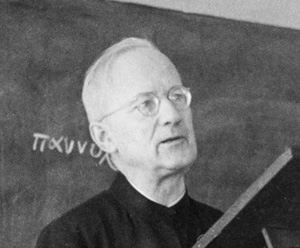 Para comprender el significado encriptado en este pasaje –que, sin embargo, era claro para los reformadores progresistas de la época– se necesita alguna explicación. Era un tópico progresista común afirmar que, durante siglos hasta entonces, los católicos laicos en su conjunto ignoraban que podían alcanzar la santidad de vida, y que, por lo tanto, se necesitaba todo un cambio de paradigma en la teología para inculcarles la posibilidad de alcanzar la santidad.
Esto no era más que un mito inventado por los reformadores, un ejemplo de “noticias falsas” que alegaba que el Clero se había apropiado del protagonismo de la santidad para sí mismo y se negaba a reconocer la santidad en los laicos. Pero esa pieza de propaganda difícilmente convencería a ningún fiel familiarizado con la Fe; cualquier católico anterior al Vaticano II que mereciera ese nombre sabía que uno de los propósitos de la Misa era precisamente la santificación de los fieles.
Otro cuento exagerado presentado por Jungmann para justificar la reforma radical en la Iglesia fue la acusación de que se pensaba que la Iglesia consistía únicamente en el Clero, y que los laicos habían sido arrojados a las tinieblas exteriores. En su opinión, la teología del Cuerpo Místico de Cristo era necesaria para enfatizar que los laicos también formaban parte de la Iglesia:
“Ya no se ve a la Iglesia como una asociación jerárquica que, como tal, se mantiene distante de cada cristiano individual, sino que se ha tomado conciencia de que la Iglesia es, por encima de todo, la comunidad de los fieles, un entorno vivo, compacto y dinámico, que envuelve a todos y cada uno.” 2
 Mirando en retrospectiva, podemos ver que esto fue un ataque sutil a la Constitución de dos niveles de la Iglesia, querida por Dios, explicada tan recientemente como a comienzos del siglo XX por San Pío X. Jungmann escribía desde la perspectiva modernista endémica del Movimiento Litúrgico, que buscaba “cerrar la brecha” entre el Clero y los laicos, y sustituir la distinción esencial entre ellos por la idea de una “comunidad” de todos los bautizados, todos disfrutando de iguales derechos a la participación activa en la liturgia, el gobierno y la administración de la Iglesia.
Sería difícil encontrar un líder litúrgico que no adoptara una visión atribuible a la política marxista basada en clases al instar a la necesidad de una revolución litúrgica. Citaremos, como ejemplo primordial de esta mentalidad enferma, la opinión del P. Aidan Kavanagh, OSB:
“Una laicado pasivo en la Misa reflejaba una visión de la Iglesia como un estado temporal compuesto de “aristocracias” activas sobre clases bajas pasivas, incluso privadas de derechos, todo ello gobernado por leyes interpretadas por juristas. Había poco lugar para el misterio, y la belleza era ignorada. El Clero poseía la liturgia oficial aprobada por la autoridad legítima; los laicos asistían sin apenas, si acaso, participación, ocupándose en rezar el Rosario u otras devociones que los juristas dejaban claro que no eran liturgia porque no estaban contenidas en los libros oficialmente aprobados publicados por Roma con el asentimiento papal.” 3
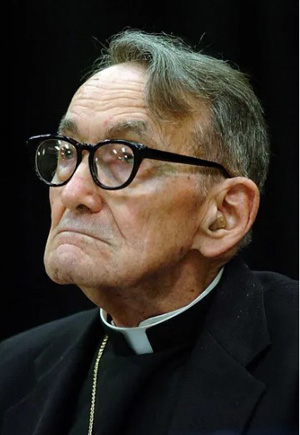 Otro destacado partidario del Establishment Litúrgico, el Card. Avery Dulles, SJ, explicó que, en la mente de los reformadores, este paradigma era revolucionario porque pretendía reemplazar el llamado modelo jurídico de una sociedad monárquica basada en una Constitución sujeta a reglas y un cuerpo de gobierno, que había caracterizado a la Iglesia durante siglos. 4 Su sesgo antijerárquico puede verse en la evaluación positiva que hizo de la naturaleza “democrática” de Lumen gentium, que veía la misión de la Iglesia en el mundo como una de “servicio más que dominación”, es decir, de gobierno. 5
Pero, por el contrario, no hubo nada democrático en la implementación tanto del Movimiento Litúrgico como del Vaticano II. Ambos fueron producto de una élite de reformadores, en su mayoría académicos, que impusieron una revolución de arriba hacia abajo sobre una población católica desprevenida, para cambiar no solo el contenido de la Fe, sino la manera en que se había practicado durante siglos.
Su pretexto fue defender los llamados “derechos” de los laicos a asumir y ejercer funciones que hasta entonces habían sido privilegio exclusivo del Clero. El fin que se tenía en mente era el Ecumenismo, la Colegialidad y la Libertad Religiosa, que serían formalmente aprobados en el Vaticano II.
El compromiso político subvirtió el sacerdocio ministerial
Antes de proceder con un análisis más detallado de la situación, sería útil ofrecer una breve exposición del contexto en que la Iglesia consideraba la actividad política clerical. El Derecho Canónico prohibía explícitamente a los sacerdotes ocupar cargos públicos o participar en actividades políticas impropias de su estado clerical, enfatizando sus deberes espirituales por encima del compromiso político. El Papa Pío X señaló los peligros a los que se exponen tales miembros del clero:
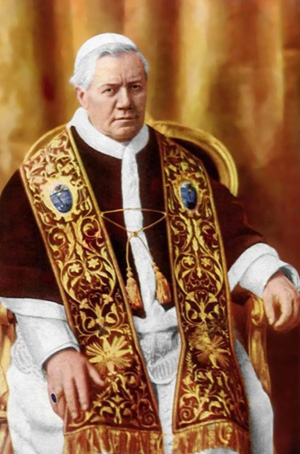 “Pueden llegar a atribuir tal importancia a los intereses materiales del pueblo que olviden esos deberes más importantes del sagrado ministerio.” (Il Fermo Proposito, 1905, § 24)
Fundamentalmente, esto se debe a que conduce a los sacerdotes a una situación anómala: el servicio a dos amos. Para los sacerdotes involucrados políticamente, la tentación abrumadora es dejar que los asuntos seculares prevalezcan sobre las consideraciones espirituales, en gran parte porque la presión de las circunstancias concretas los lleva a exaltar las virtudes naturales y activas por encima de las sobrenaturales y contemplativas. Cómo impactó este escenario en el Movimiento Litúrgico es evidente para todos. Se esperaba que todo aquel que participara activamente en la liturgia fuera igualmente activo en la vida social para el logro de la “Justicia Social” entendida en términos de política de izquierda.
Lo que realmente preocupa no es que los reformadores tuvieran opiniones privadas sobre cuestiones sociales y económicas, sino que todos actuaran en nombre de la Iglesia Católica para difundir sus ideas por medio de la liturgia y crear un consenso entre la población católica.
En particular, lanzaron una condena generalizada de los principios de libre mercado del Capitalismo como el mayor mal del mundo. Pero los principios capitalistas, siempre que mantuvieran sus vínculos con la rectitud moral y la caridad, no eran considerados por la Iglesia como perjudiciales para el bien común.
A menudo se pasa por alto que la Iglesia no tiene mandato para predicar un modelo económico específico (por ejemplo, el Distributismo o las cooperativas) como parte integral de su auténtico papel de enseñanza y exigir el asentimiento de los fieles. Sin embargo, eso es exactamente lo que ciertos sacerdotes de Acción Católica involucrados en el Movimiento Litúrgico defendían junto con miembros afines de grupos activistas laicos.
Además, si la Iglesia se identificara con un partido político o una ideología particular, perdería su credibilidad como voz de la autoridad moral. Aún más grave, la unidad de la Iglesia se ve necesariamente socavada cuando los sacerdotes se involucran en política partidista y los fieles se dividen entre sí en nombre de la Religión Católica.
Actualmente vivimos el legado del caos espiritual creado por décadas de reformas litúrgicas y promovido por el Vaticano II. Es innegable que la liturgia reformada ha sido capturada por cuestiones políticas y sociales ajenas al catolicismo, que, como consecuencia, han creado facciones y divisiones dentro de la población católica. Podemos identificar las principales áreas de polarización causadas por la afluencia de ideas seculares en la liturgia –sagrado y profano; activo y contemplativo; clerical y laico; tradicional y progresista; masculino y femenino; rico y pobre.
Continuará

Jungmann enfrentó a los laicos contra el Clero, culpando al monopolio de este último sobre la santidad
Esto no era más que un mito inventado por los reformadores, un ejemplo de “noticias falsas” que alegaba que el Clero se había apropiado del protagonismo de la santidad para sí mismo y se negaba a reconocer la santidad en los laicos. Pero esa pieza de propaganda difícilmente convencería a ningún fiel familiarizado con la Fe; cualquier católico anterior al Vaticano II que mereciera ese nombre sabía que uno de los propósitos de la Misa era precisamente la santificación de los fieles.
Otro cuento exagerado presentado por Jungmann para justificar la reforma radical en la Iglesia fue la acusación de que se pensaba que la Iglesia consistía únicamente en el Clero, y que los laicos habían sido arrojados a las tinieblas exteriores. En su opinión, la teología del Cuerpo Místico de Cristo era necesaria para enfatizar que los laicos también formaban parte de la Iglesia:
“Ya no se ve a la Iglesia como una asociación jerárquica que, como tal, se mantiene distante de cada cristiano individual, sino que se ha tomado conciencia de que la Iglesia es, por encima de todo, la comunidad de los fieles, un entorno vivo, compacto y dinámico, que envuelve a todos y cada uno.” 2
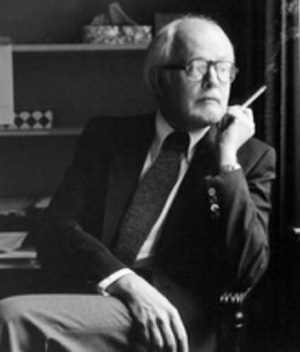
P. Aidan Kavanagh: A la Iglesia le faltaba un lugar para el misterio y la belleza...
Sería difícil encontrar un líder litúrgico que no adoptara una visión atribuible a la política marxista basada en clases al instar a la necesidad de una revolución litúrgica. Citaremos, como ejemplo primordial de esta mentalidad enferma, la opinión del P. Aidan Kavanagh, OSB:
“Una laicado pasivo en la Misa reflejaba una visión de la Iglesia como un estado temporal compuesto de “aristocracias” activas sobre clases bajas pasivas, incluso privadas de derechos, todo ello gobernado por leyes interpretadas por juristas. Había poco lugar para el misterio, y la belleza era ignorada. El Clero poseía la liturgia oficial aprobada por la autoridad legítima; los laicos asistían sin apenas, si acaso, participación, ocupándose en rezar el Rosario u otras devociones que los juristas dejaban claro que no eran liturgia porque no estaban contenidas en los libros oficialmente aprobados publicados por Roma con el asentimiento papal.” 3
El Card. Avery Dulles se oponía a la estructura monárquica de la Iglesia Católica
Pero, por el contrario, no hubo nada democrático en la implementación tanto del Movimiento Litúrgico como del Vaticano II. Ambos fueron producto de una élite de reformadores, en su mayoría académicos, que impusieron una revolución de arriba hacia abajo sobre una población católica desprevenida, para cambiar no solo el contenido de la Fe, sino la manera en que se había practicado durante siglos.
Su pretexto fue defender los llamados “derechos” de los laicos a asumir y ejercer funciones que hasta entonces habían sido privilegio exclusivo del Clero. El fin que se tenía en mente era el Ecumenismo, la Colegialidad y la Libertad Religiosa, que serían formalmente aprobados en el Vaticano II.
El compromiso político subvirtió el sacerdocio ministerial
Antes de proceder con un análisis más detallado de la situación, sería útil ofrecer una breve exposición del contexto en que la Iglesia consideraba la actividad política clerical. El Derecho Canónico prohibía explícitamente a los sacerdotes ocupar cargos públicos o participar en actividades políticas impropias de su estado clerical, enfatizando sus deberes espirituales por encima del compromiso político. El Papa Pío X señaló los peligros a los que se exponen tales miembros del clero:
Si los sacerdotes entran en política olvidan sus deberes espirituales hacia las almas
Fundamentalmente, esto se debe a que conduce a los sacerdotes a una situación anómala: el servicio a dos amos. Para los sacerdotes involucrados políticamente, la tentación abrumadora es dejar que los asuntos seculares prevalezcan sobre las consideraciones espirituales, en gran parte porque la presión de las circunstancias concretas los lleva a exaltar las virtudes naturales y activas por encima de las sobrenaturales y contemplativas. Cómo impactó este escenario en el Movimiento Litúrgico es evidente para todos. Se esperaba que todo aquel que participara activamente en la liturgia fuera igualmente activo en la vida social para el logro de la “Justicia Social” entendida en términos de política de izquierda.
Lo que realmente preocupa no es que los reformadores tuvieran opiniones privadas sobre cuestiones sociales y económicas, sino que todos actuaran en nombre de la Iglesia Católica para difundir sus ideas por medio de la liturgia y crear un consenso entre la población católica.
En particular, lanzaron una condena generalizada de los principios de libre mercado del Capitalismo como el mayor mal del mundo. Pero los principios capitalistas, siempre que mantuvieran sus vínculos con la rectitud moral y la caridad, no eran considerados por la Iglesia como perjudiciales para el bien común.
A menudo se pasa por alto que la Iglesia no tiene mandato para predicar un modelo económico específico (por ejemplo, el Distributismo o las cooperativas) como parte integral de su auténtico papel de enseñanza y exigir el asentimiento de los fieles. Sin embargo, eso es exactamente lo que ciertos sacerdotes de Acción Católica involucrados en el Movimiento Litúrgico defendían junto con miembros afines de grupos activistas laicos.
Además, si la Iglesia se identificara con un partido político o una ideología particular, perdería su credibilidad como voz de la autoridad moral. Aún más grave, la unidad de la Iglesia se ve necesariamente socavada cuando los sacerdotes se involucran en política partidista y los fieles se dividen entre sí en nombre de la Religión Católica.
Actualmente vivimos el legado del caos espiritual creado por décadas de reformas litúrgicas y promovido por el Vaticano II. Es innegable que la liturgia reformada ha sido capturada por cuestiones políticas y sociales ajenas al catolicismo, que, como consecuencia, han creado facciones y divisiones dentro de la población católica. Podemos identificar las principales áreas de polarización causadas por la afluencia de ideas seculares en la liturgia –sagrado y profano; activo y contemplativo; clerical y laico; tradicional y progresista; masculino y femenino; rico y pobre.
Continuará
- Josef Jungmann, ‘L’Église dans la vie religieuse d’aujourd’hui’ (La Iglesia en la Vida Religiosa de Hoy), Nouvelle Revue Théologique, vol. 65, 1938, p. 1035.
- Ibid., p. 1036.
- Aidan Kavanagh, Introducción a Odo Casel, The Mystery of Christian Worship and other writings, Nueva York: Herder and Herder, Crossroads Publishing Company, 1999, pp. vii-viii.
- Avery Dulles, Models of the Church, Nueva York: Doubleday, Random House Books, 2002, p. 34.
- A. Dulles, ‘Introducción a Lumen Gentium’, Walter M. Abbott y Joseph Gallagher, The Documents of Vatican II, Chicago: Association Press, 1966, p.12.
Publicado el 11 de agosto de 2026


______________________
______________________
 Volume I |
 Volume II |
 Volume III |
 Volume IV |
 Volume V |
 Volume VI |
 Volume VII |
 Volume VIII |
 Volume IX |
 Volume X |
 Volume XI |
 Special Edition |


