Asuntos Tradicionalistas
 |
 |
 |
 |
 |
 |
 |
Misa Dialogada - CLXV
El Partido de Dios reemplazado por el Partido del Pueblo
Como el espacio no permite un tratamiento más amplio del tema, aquí solo se considerarán algunos ejemplos representativos de sacerdotes involucrados en política. Los más destacados entre ellos fueron Don Luigi Sturzo, fundador del Partido Popular Italiano, el P. (más tarde Cardenal) Joseph Cardijn, fundador de la Juventud Obrera Cristiana, el P. Marie-Dominique Chenu, inspirador del Movimiento de los Sacerdotes Obreros, y algunas otras figuras menos conocidas dedicadas a lograr fines revolucionarios similares.
 Ellos también pueden describirse mejor como demagogos, en el sentido de que dirigieron campañas y arengaron a multitudes de católicos, predominantemente jóvenes, con el propósito de persuadirlos a participar colectivamente en actividades que serían perjudiciales para las estructuras sociales y económicas de la sociedad occidental.
Un rasgo llamativo de estos sacerdotes –todos ellos destacados animadores de la política revolucionaria radical– es que estaban ideológicamente sesgados hacia la extrema izquierda del espectro político. Era inevitable que sacerdotes de tendencia socialista, como lobos con piel de oveja, utilizaran su autoridad espiritual sobre los fieles para inculcar teorías de izquierda en materia política y económica.
Enseñaban que el Capitalismo de libre mercado era una invención perversa de los pensadores anti-Dios de la Ilustración, especialmente diseñada para explotar a los trabajadores y mantenerlos en la pobreza –ignorando la evidencia histórica de que derivaba su fundamento de las teorías económicas del período de la Alta Escolástica en la Iglesia. Como resultado, generaciones enteras de católicos se formaron la impresión de que no solo el Capitalismo de libre mercado, sino también los capitalistas, debían ser combatidos y vencidos si se quería lograr la “Justicia Social”.
Esta fue la narrativa tóxica en la que se concibió la Acción Católica. Fue un semillero fértil para conflictos internos entre sacerdotes y sus confrères en el ministerio; entre sacerdotes y sus feligreses; entre distintos miembros del laicado que luchaban entre sí sobre qué punto del espectro político debía ocupar la Iglesia; entre asalariados y empleadores, obreros de fábrica e industriales, campesinos y terratenientes.
Fue también el catalizador del movimiento de la Teología de la Liberación, de inspiración marxista, que los Papas del Concilio Vaticano II fueron incapaces de controlar. Y todavía continúa hoy en el movimiento de “Justicia Social” en muchas Diócesis alrededor del mundo. Peor aún, el tema anticapitalista fue incorporado a las encíclicas papales sobre cuestiones sociales desde Juan XXIII hasta León XIV, donde a menudo se disfraza bajo el título genérico de “estructuras de pecado” que los buenos católicos deben combatir.
El sacerdote-político P. Luigi Sturzo (1871-1959)
Desde el momento en que fue ordenado sacerdote, el P. Sturzo llevó adelante una carrera política a tiempo completo, a la cual dedicó toda su vida sacerdotal. Dada la evidencia de su biografía, se podría decir con precisión que vivió y respiró política.
Escribiendo desde su exilio del régimen de Mussolini en 1941, publicó un artículo titulado ‘Mi vocación política: ¿Qué llevó a un sacerdote italiano a la política?’ 1 En él, se refiere a haber presenciado durante la Pascua de 1895 la pobreza y las penurias que sufrían los habitantes de un barrio obrero de Roma. Fue una experiencia que lo convirtió en un guerrero de clases, un agitador político que dedicaría su vida a la reforma social y económica, con el objetivo de mejorar el bienestar material del pueblo.
 Cuando entró en la arena política, asumió el ejercicio del poder civil, convirtiéndose en alcalde de su ciudad natal, Caltagirone, en Sicilia, y fundó el Partido Popular Italiano (PPI) en 1919, basado en principios ampliamente sillonistas. Estos incluían la independencia respecto de la jerarquía, la separación entre Iglesia y Estado, una reforma social y económica radical, una plataforma no confesional, la creencia en la fraternidad universal del hombre a lograrse mediante la Democracia Cristiana, y una alianza con el Partido Socialista. No es de extrañar, entonces, que en vida fuera conocido como un “socialista clerical”, y que ahora sea aclamado como “un profeta para hoy” y “el santo de los gobiernos” por quienes, con una mentalidad similar, piden su canonización.2
El P. Sturzo era hábil para reunir seguidores en torno a su causa, un ejemplo destacado siendo su discurso en la Conferencia de Génova el 30 de abril de 1922. En esa ocasión, se informó que “participó en un discurso público en el que instó a la necesidad de instituir una ‘internacional política’ fundada en los ideales cristianos de amor, fraternidad, tolerancia, equidad y justicia.” 3
En otras palabras, creía en el internacionalismo y el gobierno mundial, sobre la base falsa de que el Estado-Nación individual era una receta para el prejuicio y la guerra, y que solo un compromiso con una Democracia mundial no confesional sería capaz de asegurar una paz permanente. (Eso era exactamente lo que Pío X había condenado con respecto al Sillon).
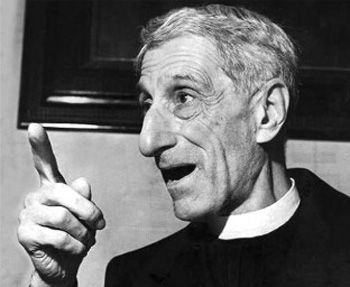 Sin embargo, el Papa Pío XI, quien inicialmente permitió al P. Sturzo libertad para operar, aparentemente había subestimado la naturaleza extremista de sus actividades como agitador antigubernamental. Alarmado por las amenazas de represalias estatales contra la Iglesia, el Papa lo obligó a renunciar como Secretario del Partido en 1923 y le ordenó exiliarse. 4 En febrero de 1924, renovó la prohibición de que los sacerdotes pertenecieran a partidos políticos, condenó personal y públicamente la idea del P. Sturzo de una coalición del PPI con los socialistas, 5 y el Partido fue disuelto en 1926.
Pero eso no fue el final de la inusual carrera del P. Sturzo. Viajó extensamente por Europa y los Estados Unidos, influyendo a otros clérigos y laicos en diversos movimientos de “Justicia Social” con su ideología marcadamente de izquierda. Su carrera fue solo el comienzo de un movimiento mucho más amplio, a nivel mundial, para la infiltración del marxismo en la Iglesia Católica.
Décadas de católicos han sido engañados por su confusión entre religión y política, la cual se evidenciaba en su creencia de que el espíritu cristiano nunca podría infundirse en la sociedad mientras el Capitalismo, que sostenía a las “clases propietarias”, continuara existiendo. 6
Pero manipular el sistema económico de una nación y alterar las estructuras de clase no puede producir ciudadanos virtuosos, ya que la adquisición del espíritu cristiano es fruto de la gracia divina y no el resultado de una agenda política. Sturzo no fue un representante de la doctrina católica. Fue un formador de opinión, un político divisivo, un compañero de viaje en una misión para transmitir un mensaje político, un ejemplo temprano de demagogo clerical del tipo del cual el Movimiento Litúrgico estaba repleto, como veremos en el siguiente artículo.
Continuará

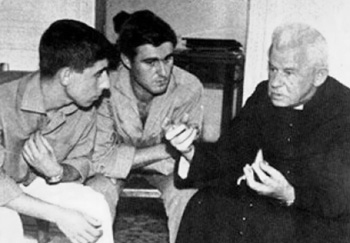
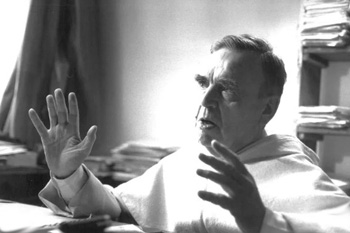
Arriba, el P. Cardijn persuadiendo a jóvenes trabajadores; abajo, el P. Chenu difundiendo el Progresismo
Un rasgo llamativo de estos sacerdotes –todos ellos destacados animadores de la política revolucionaria radical– es que estaban ideológicamente sesgados hacia la extrema izquierda del espectro político. Era inevitable que sacerdotes de tendencia socialista, como lobos con piel de oveja, utilizaran su autoridad espiritual sobre los fieles para inculcar teorías de izquierda en materia política y económica.
Enseñaban que el Capitalismo de libre mercado era una invención perversa de los pensadores anti-Dios de la Ilustración, especialmente diseñada para explotar a los trabajadores y mantenerlos en la pobreza –ignorando la evidencia histórica de que derivaba su fundamento de las teorías económicas del período de la Alta Escolástica en la Iglesia. Como resultado, generaciones enteras de católicos se formaron la impresión de que no solo el Capitalismo de libre mercado, sino también los capitalistas, debían ser combatidos y vencidos si se quería lograr la “Justicia Social”.
Esta fue la narrativa tóxica en la que se concibió la Acción Católica. Fue un semillero fértil para conflictos internos entre sacerdotes y sus confrères en el ministerio; entre sacerdotes y sus feligreses; entre distintos miembros del laicado que luchaban entre sí sobre qué punto del espectro político debía ocupar la Iglesia; entre asalariados y empleadores, obreros de fábrica e industriales, campesinos y terratenientes.
Fue también el catalizador del movimiento de la Teología de la Liberación, de inspiración marxista, que los Papas del Concilio Vaticano II fueron incapaces de controlar. Y todavía continúa hoy en el movimiento de “Justicia Social” en muchas Diócesis alrededor del mundo. Peor aún, el tema anticapitalista fue incorporado a las encíclicas papales sobre cuestiones sociales desde Juan XXIII hasta León XIV, donde a menudo se disfraza bajo el título genérico de “estructuras de pecado” que los buenos católicos deben combatir.
El sacerdote-político P. Luigi Sturzo (1871-1959)
Desde el momento en que fue ordenado sacerdote, el P. Sturzo llevó adelante una carrera política a tiempo completo, a la cual dedicó toda su vida sacerdotal. Dada la evidencia de su biografía, se podría decir con precisión que vivió y respiró política.
Escribiendo desde su exilio del régimen de Mussolini en 1941, publicó un artículo titulado ‘Mi vocación política: ¿Qué llevó a un sacerdote italiano a la política?’ 1 En él, se refiere a haber presenciado durante la Pascua de 1895 la pobreza y las penurias que sufrían los habitantes de un barrio obrero de Roma. Fue una experiencia que lo convirtió en un guerrero de clases, un agitador político que dedicaría su vida a la reforma social y económica, con el objetivo de mejorar el bienestar material del pueblo.
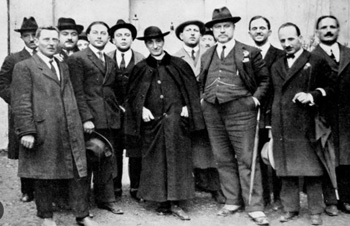
El P. Sturzo y miembros del Partido Popular Italiano
El P. Sturzo era hábil para reunir seguidores en torno a su causa, un ejemplo destacado siendo su discurso en la Conferencia de Génova el 30 de abril de 1922. En esa ocasión, se informó que “participó en un discurso público en el que instó a la necesidad de instituir una ‘internacional política’ fundada en los ideales cristianos de amor, fraternidad, tolerancia, equidad y justicia.” 3
En otras palabras, creía en el internacionalismo y el gobierno mundial, sobre la base falsa de que el Estado-Nación individual era una receta para el prejuicio y la guerra, y que solo un compromiso con una Democracia mundial no confesional sería capaz de asegurar una paz permanente. (Eso era exactamente lo que Pío X había condenado con respecto al Sillon).
El P. Luigi Sturzo
Pero eso no fue el final de la inusual carrera del P. Sturzo. Viajó extensamente por Europa y los Estados Unidos, influyendo a otros clérigos y laicos en diversos movimientos de “Justicia Social” con su ideología marcadamente de izquierda. Su carrera fue solo el comienzo de un movimiento mucho más amplio, a nivel mundial, para la infiltración del marxismo en la Iglesia Católica.
Décadas de católicos han sido engañados por su confusión entre religión y política, la cual se evidenciaba en su creencia de que el espíritu cristiano nunca podría infundirse en la sociedad mientras el Capitalismo, que sostenía a las “clases propietarias”, continuara existiendo. 6
Pero manipular el sistema económico de una nación y alterar las estructuras de clase no puede producir ciudadanos virtuosos, ya que la adquisición del espíritu cristiano es fruto de la gracia divina y no el resultado de una agenda política. Sturzo no fue un representante de la doctrina católica. Fue un formador de opinión, un político divisivo, un compañero de viaje en una misión para transmitir un mensaje político, un ejemplo temprano de demagogo clerical del tipo del cual el Movimiento Litúrgico estaba repleto, como veremos en el siguiente artículo.
Continuará
- JLuigi Sturzo, Commonweal, vol. 23, 1941, pp. 537-540.
- La causa de beatificación del P. Sturzo se abrió oficialmente el 23 de marzo de 2002, cuando se le otorgó el título de “Siervo de Dios”.
- New York Times, 1 de mayo de 1922.
- El P. Sturzo se estableció en Inglaterra, donde escribió al Cardenal Bourne, Arzobispo de Westminster, admitiendo que había sido forzado a abandonar Italia por orden de Pío XI. Véase ‘Sturzo a Cardinal Bourne, 15 de noviembre de 1926,’ en Francisco Piva y Francisco Malgeri, Vita di Luigi Sturzo, Roma: Cinque Lune, 1972, p. 291, n. 8. Sus partidarios todavía afirman que renunció a la dirección del PPI y emigró por decisión propia.
- Hubert Jedin, Wolfgang Müller, John Dolan, History of the Church, vol. 10, The Church in the Modern Age, Nueva York: Seabury Press, 1986, p. 50.
- Luigi Sturzo, Church and State, Nueva York: Longmans, Green and Co., 1939, p. 537.
Publicado el 14 de septiembre de 2026


______________________
______________________
 Volume I |
 Volume II |
 Volume III |
 Volume IV |
 Volume V |
 Volume VI |
 Volume VII |
 Volume VIII |
 Volume IX |
 Volume X |
 Volume XI |
 Special Edition |


